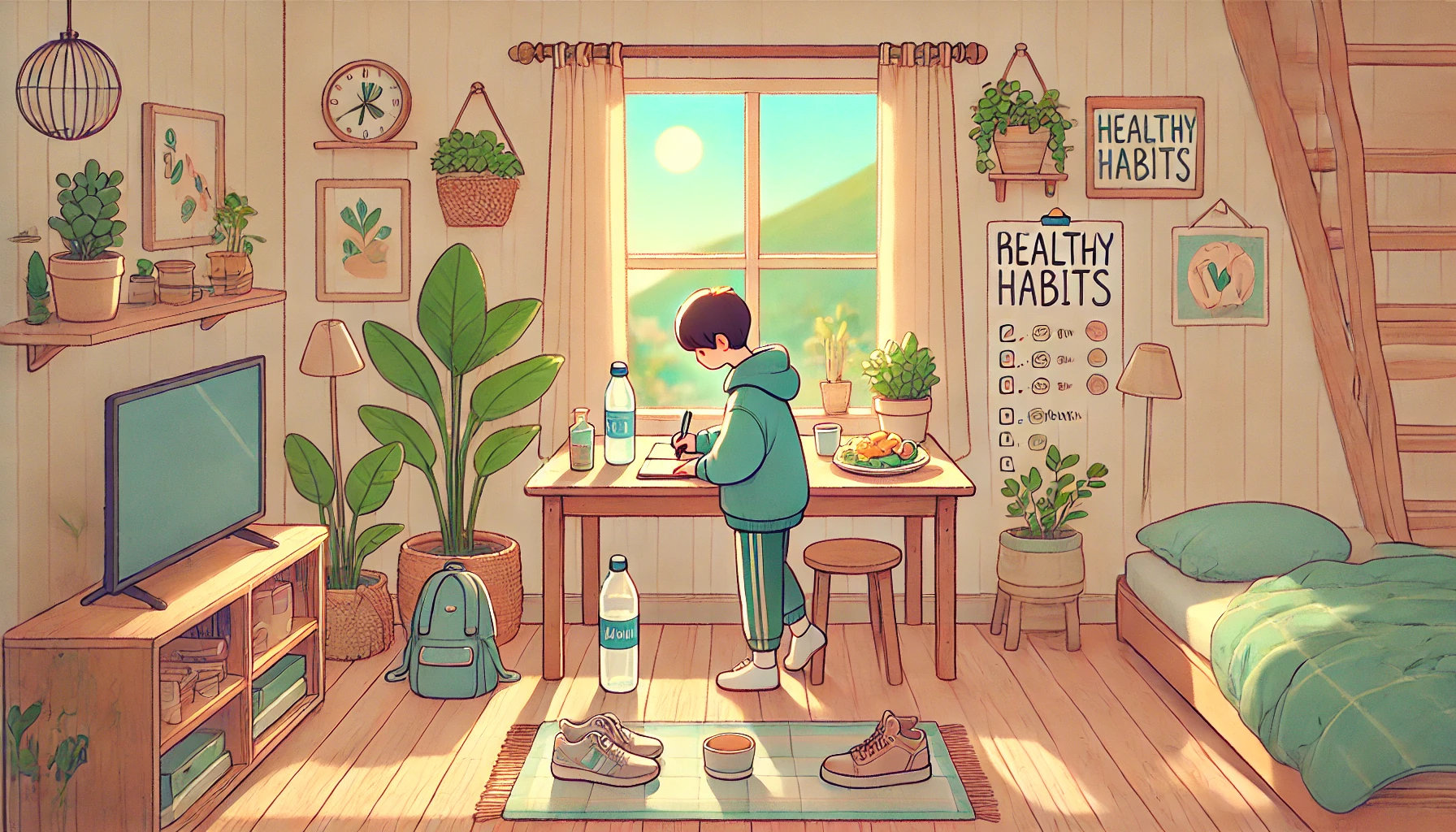
Understanding how to create healthy habits is one of the most valuable skills you can develop in 2026. With constant distractions, flexible work schedules, and digital overload, building habits intentionally is no longer optional—it’s essential for long-term health, productivity, and mental clarity.
In this guide, you’ll learn ** how to create healthy habits** using modern behavioral science, real-world examples, and tools designed for today’s lifestyle. Whether your goal is better sleep, consistent exercise, mindful eating, or focused work, the principles below will help you build habits that last.
Quick Action: Turn Knowledge into Daily Action
If you want a simple system to apply what you’re about to learn, try HabitTube Flow.
It helps you design, track, and refine habits using clear goals, streaks, and progress insights.
👉 Start building habits now at https://flow.habittube.io
📘 Read more habit guides on our blog: https://habits.habittube.io
Why Most People Struggle With Habit Formation
Many people fail not because they lack motivation, but because they misunderstand ** how to create healthy habits**. Motivation is unreliable; systems are not.
Research from World Health Organization shows that sustainable behavior change depends on environment, consistency, and feedback—not willpower alone. Similarly, behavioral studies published by Harvard University emphasize that habits form through repetition in stable contexts.
So if you’ve ever felt frustrated trying to “just be more disciplined,” you’re not the problem—the strategy was.
The Habit Loop Explained (Modern Version)
To truly master ** how to create healthy habits**, you need to understand the habit loop:
- Cue – A trigger that starts the behavior
- Action – The habit itself
- Reward – A positive outcome your brain wants to repeat
In 2026, successful habit builders also add a fourth layer:
- Feedback – Visible progress that reinforces identity
Digital habit-tracking tools now make feedback immediate, which dramatically improves consistency.
Step-by-Step: How to Create Healthy Habits That Last
1. Start Smaller Than You Think
One of the biggest mistakes when learning ** how to create healthy habits** is starting too big. A habit should feel almost “too easy” at first.
Examples:
- 5 minutes of walking instead of 45
- One glass of water instead of “perfect hydration”
- Writing one sentence instead of a full page
Consistency beats intensity.
2. Anchor Habits to Existing Routines
The fastest way to learn ** how to create healthy habits** is to attach them to habits you already do.
Examples:
- After brushing your teeth → stretch for 2 minutes
- After opening your laptop → review daily priorities
- After lunch → short walk
This technique, often called “habit stacking,” reduces friction dramatically.
3. Design Your Environment for Success
Your environment should make good habits easy and bad habits hard.
According to research summarized by National Institutes of Health, environmental design is one of the strongest predictors of long-term behavior change.
Practical ideas:
- Keep healthy food visible
- Remove distracting apps from your home screen
- Prepare workout clothes the night before
This principle is central to ** how to create healthy habits** without relying on motivation.
4. Track Progress Visually
If you want to master ** how to create healthy habits**, you need feedback. Seeing progress reinforces identity: “I’m the kind of person who does this.”
That’s why habit tracking works:
- Streaks create momentum
- Missed days reveal patterns
- Data replaces guesswork
5. Focus on Identity, Not Outcomes
Instead of asking, “What do I want to achieve?” ask:
“Who do I want to become?”
This mindset shift is critical in ** how to create healthy habits**:
- Not “I want to lose weight” → “I’m a person who moves daily”
- Not “I want to be productive” → “I show up consistently”
Over time, habits become automatic because they reinforce who you are.
Common Mistakes to Avoid
When learning ** how to create healthy habits**, avoid these traps:
- Relying on motivation alone
- Changing too many habits at once
- Not tracking progress
- Quitting after one missed day
Remember: missing once is an event; missing twice is the start of a new habit.
Final Thoughts: Build Systems, Not Willpower
In 2026, understanding ** how to create healthy habits** means using science, technology, and self-awareness together. Habits don’t fail—you abandon systems that were never designed to support you.
Start small. Design your environment. Track what matters. And most importantly, give yourself time.
If you’re ready to apply these principles today, explore HabitTube Flow and turn intention into action—one habit at a time.
 You can Talk with Tubby, your AI assistant to improve your habits
No Responses