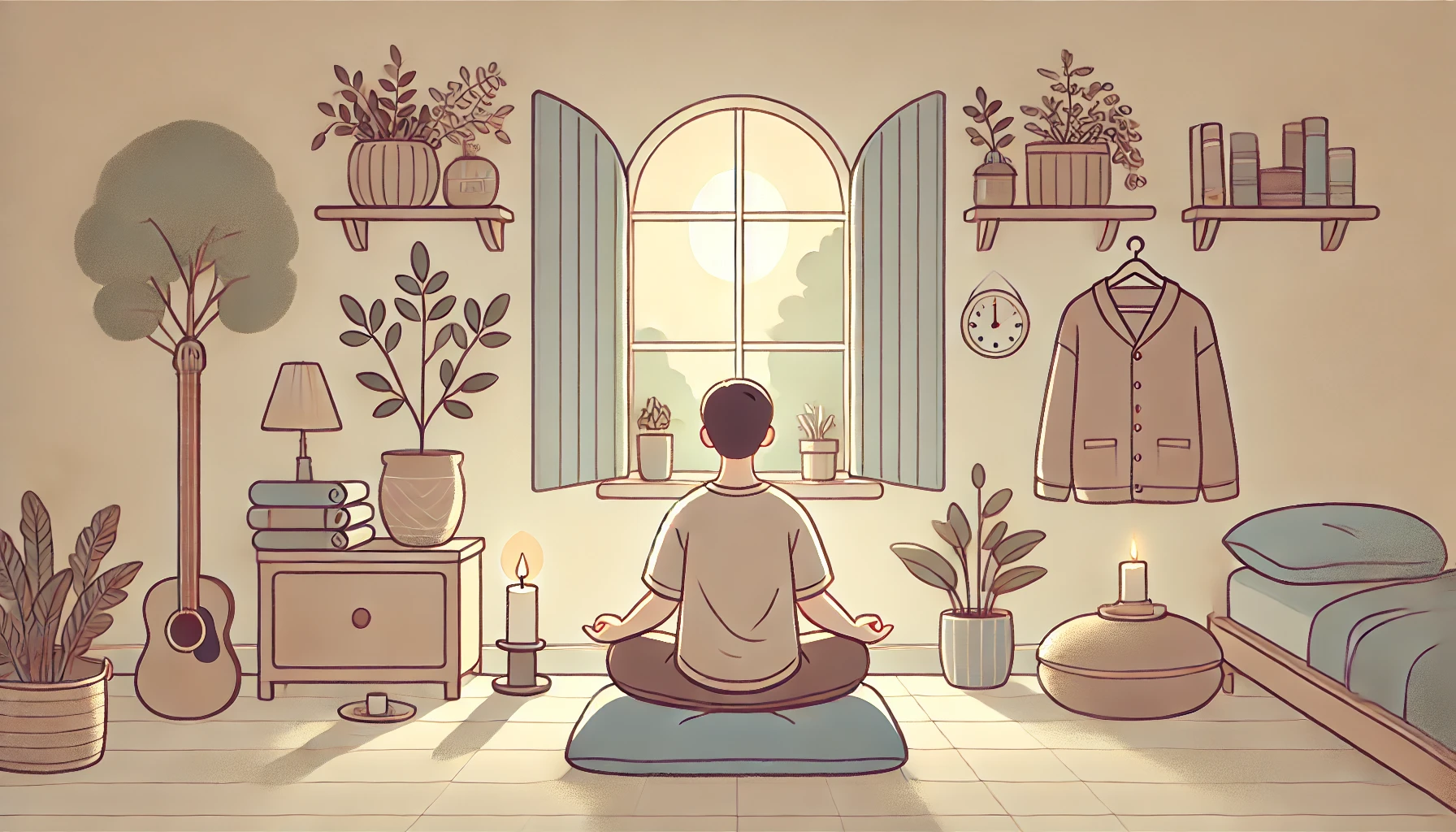
In a world of constant notifications, algorithmic distractions, and rising stress levels, daily meditation has become one of the most searched and recommended habits for mental clarity and emotional balance. From podcasts and guided sessions to short reflections and neuroscience-backed practices, people are actively looking for ways to make meditation part of their everyday life — not just something they try once and abandon.
The problem is not understanding why meditation matters. The real challenge is consistency. This guide focuses on how to turn meditation into a sustainable habit that fits naturally into modern life in 2026.
Turn Meditation Into a Daily Habit (Not Just an Intention)
Building daily meditation becomes significantly easier when it is tracked, structured, and connected to a routine you already follow.
👉 Start your meditation habit today with HabitTube Flow:
https://flow.habittube.io
HabitTube Flow helps you:
- Track meditation streaks automatically
- Anchor meditation to existing habits (morning, breaks, bedtime)
- Stay consistent with visual progress and reminders
You can also explore more habit-building strategies on our blog:
https://habits.habittube.io
Why Daily Meditation Matters More Than Ever in 2026
Research over the last decade has consistently shown that daily meditation improves focus, emotional regulation, sleep quality, and stress management. According to Harvard Medical School, regular mindfulness practice can physically alter brain regions associated with memory, empathy, and stress response.
(Source: https://www.health.harvard.edu)
What has changed in recent years is urgency. Remote work, AI-driven workflows, and always-on digital environments mean cognitive overload is no longer occasional — it is constant. This is why short, repeatable daily meditation sessions (5–10 minutes) now outperform long, irregular practices.
What the Top Google Results Reveal About Search Intent
Looking at current first-page results for this keyword, Google clearly favors:
- Daily meditation podcasts
- Short guided meditation videos
- Daily reflections and bite-sized practices
This tells us users are not searching for theory — they want simple, repeatable experiences. To compete with these results, your meditation content must emphasize:
- Ease of starting
- Short time commitment
- Daily repetition
This is exactly where habit design becomes essential.
How to Build a Daily Meditation Habit That Sticks
1. Start Smaller Than You Think
The most effective daily meditation habit starts with just 2–5 minutes. Consistency matters more than duration. Once the habit is stable, increasing time becomes effortless.
2. Attach Meditation to an Existing Routine
Habit science shows that behaviors stick when attached to something you already do. Examples:
- After brushing your teeth
- Before opening email
- Right before sleep
This anchoring technique dramatically increases the success rate of daily meditation.
3. Remove Friction
Use guided audio, podcasts, or apps instead of relying on motivation alone. Resources like:
- https://www.mindful.org
- https://www.apa.org (American Psychological Association)
support the idea that guided practices reduce cognitive resistance.
Why Tracking Changes Everything
People who track habits are significantly more likely to maintain them long-term. Tracking makes daily meditation visible, measurable, and rewarding.
With HabitTube Flow, meditation becomes:
- A visual streak
- A reinforcing feedback loop
- A low-friction daily action
Instead of asking “Did I meditate today?”, you know.
Common Mistakes That Break Daily Meditation Habits
- Trying to meditate too long, too soon
- Treating meditation as optional rather than scheduled
- Relying only on willpower
- Not tracking progress
Avoiding these mistakes is often the difference between quitting in a week and maintaining daily meditation for years.
Final Thoughts: Meditation Is a Habit, Not a Goal
Meditation does not work because of intensity — it works because of repetition. When meditation becomes part of your identity and routine, the benefits compound naturally over time.
If your goal in 2026 is clarity, resilience, and mental focus, meditation should not live on your to-do list. It should live inside your system.
Start small. Track consistently. Build the habit.
👉 Begin today with HabitTube Flow:
https://flow.habittube.io
And continue learning how habits actually work on our blog:
https://habits.habittube.io
Table of Contents
Recommended Resources: Daily Meditation
Here are 10 simple outbound links on daily meditation routines for beginners, building on your guided meditation interest and productivity habits.
- 11 Tips to Start Meditating Daily (Calm)
- Meditation for Beginners: How to Start
- Best Meditation Apps for 2026
- 8 Benefits of Daily Meditation
- Daily Guided Meditation to Connect with Yourself
- How to Start a Meditation Practice (Beginners)
- Starting a Daily Meditation Practice (Shambhala)
- Top Meditation Apps for 2026
- 12 Health Benefits of Meditation
- Guided Meditations Collection
 You can Talk with Tubby, your AI assistant to improve your habits
No Responses