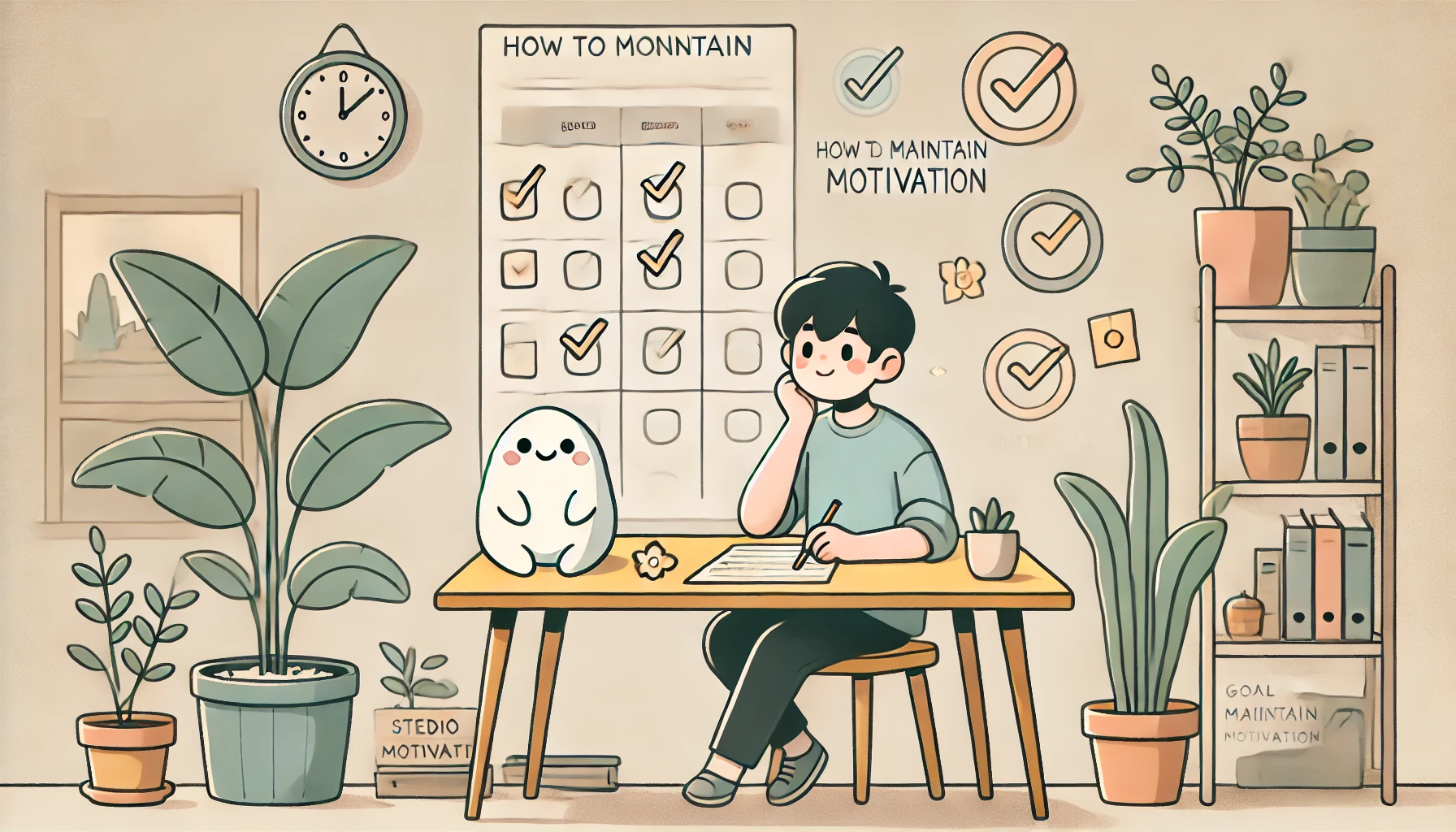
If you’ve ever started a goal full of energy only to lose momentum weeks later, you’re not alone. In 2026, distractions are everywhere, attention spans are shrinking, and burnout is more common than ever. The real question isn’t how to get motivated once — it’s how to maintain motivation long enough to see meaningful results.
In this guide, you’ll learn practical, research-backed strategies on how to maintain motivation even when you don’t feel like it. We’ll combine behavioral science, productivity research, and habit-building frameworks to create a system that works long-term.
Start With a System, Not Willpower
Many top-ranking pages focus on “tips” like thinking positive or watching inspiring videos. But research from the American Psychological Association shows that willpower is a limited resource. If you rely on motivation alone, it will fluctuate.
If you truly want to understand how to maintain motivation, you need systems.
According to habit research popularized by experts like BJ Fogg (Stanford Behavior Design Lab), consistency comes from designing environments that make the right action easier than the wrong one.
Instead of asking:
- “How can I feel more motivated?”
Ask:
- “How can I make this behavior automatic?”
Take Control of Your Habits Today
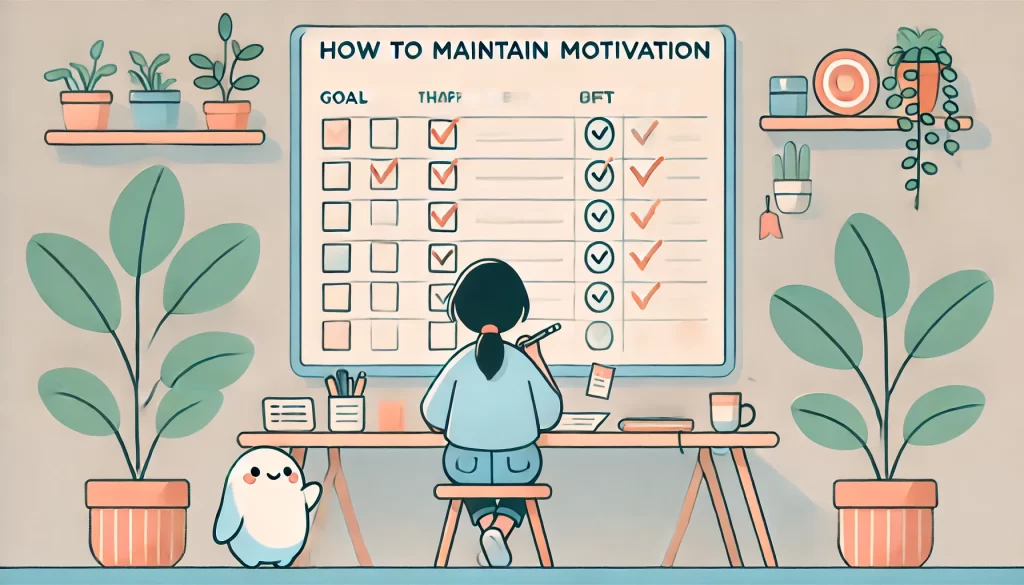
If you’re serious about learning how to maintain motivation, you need a tracking system that turns goals into daily actions.
HabitTube Flow helps you:
- Break big goals into small, trackable habits
- Build streaks that reinforce consistency
- Visualize progress over time
- Stay accountable with structure
Start building your momentum now:
https://flow.habittube.io
For more in-depth guides, visit our blog at:
https://habits.habittube.io
Use the 5-Minute Rule to Beat Resistance
One common insight from top Google results (including health institutions and productivity blogs) is starting small.
The “5-minute rule” works because it lowers psychological resistance. Tell yourself you’ll only work on the task for five minutes.
Often, starting is the hardest part. Once you begin, momentum builds naturally.
If you’re struggling with how to maintain motivation, this strategy is powerful because it bypasses the emotional barrier and creates action first — motivation second.
Focus on Identity, Not Outcomes
A 2025 behavioral review published via Harvard Business School insights emphasized that sustained performance is linked to identity alignment.
Instead of:
- “I want to run a marathon.”
Shift to:
- “I am becoming a runner.”
Understanding how to maintain motivation requires shifting from outcome-driven thinking to identity-based habits.
When your actions align with who you believe you are, consistency becomes easier.
Ask yourself:
- What type of person achieves this goal?
- What would that person do today?
Track Progress Visibly
Visible progress fuels motivation. Research from Harvard Business Review highlights the “Progress Principle”: small wins drive engagement and persistence.
If you’re researching how to maintain motivation, this is critical — motivation increases when you see measurable forward movement.
That’s why habit tracking is powerful:
- You see streaks.
- You measure completion.
- You reduce ambiguity.
Ambiguity kills motivation. Clarity sustains it.
Remove Motivation Killers
Many people search for how to maintain motivation without addressing what drains it.
Common motivation killers in 2026:
- Constant digital distractions
- Multitasking overload
- Unrealistic expectations
- Poor sleep and health habits
According to the National Sleep Foundation, sleep deprivation significantly reduces cognitive performance and emotional regulation — both essential for sustained motivation.
If your energy is low, no strategy will work.
Protect:
- Sleep
- Physical movement
- Deep work time
- Clear priorities
Create a “Motivation Floor”
Instead of chasing peak performance, design a minimum standard.
For example:
- On a bad day, you write 100 words.
- On a bad day, you walk 10 minutes.
- On a bad day, you review one flashcard.
People who master how to maintain motivation don’t rely on perfect days. They build non-negotiable minimums.
This keeps streaks alive and prevents the “all-or-nothing” cycle.
Make Goals Emotionally Compelling
Neuroscience research shows that dopamine is tied more to anticipation than achievement. If your goal feels distant or abstract, motivation fades.
To solve this:
- Visualize the benefit clearly.
- Tie goals to personal meaning.
- Connect habits to real-life improvements.
If you’re learning how to maintain motivation, remember: logic starts goals, emotion sustains them.
Use Accountability Strategically
Public commitment increases follow-through. Whether through community, coaching, or digital tracking systems, accountability adds friction to quitting.
The University of Pennsylvania’s behavioral research suggests that commitment devices significantly improve long-term adherence.
Accountability is one of the strongest tools when figuring out how to maintain motivation over months — not days.
Motivation Follows Action
One of the biggest misconceptions online is that you must feel motivated before you act.
In reality:
Action → Momentum → Motivation
If you want to master how to maintain motivation, reverse the order. Don’t wait to feel ready.
Start small.
Repeat daily.
Track progress.
Protect energy.
Consistency beats intensity.
Final Thoughts: Build Momentum That Lasts
Learning how to maintain motivation is not about hype, inspiration, or hacks. It’s about structure, clarity, and habit design.
In 2026, the people who win are not the most inspired — they’re the most consistent.
If you’re ready to turn goals into systems and build lasting momentum, start today:
Build your habit system here:
https://flow.habittube.io
Read more evidence-based habit guides at:
https://habits.habittube.io
Motivation is temporary. Systems are permanent.
 You can Talk with Tubby, your AI assistant to improve your habits
No Responses