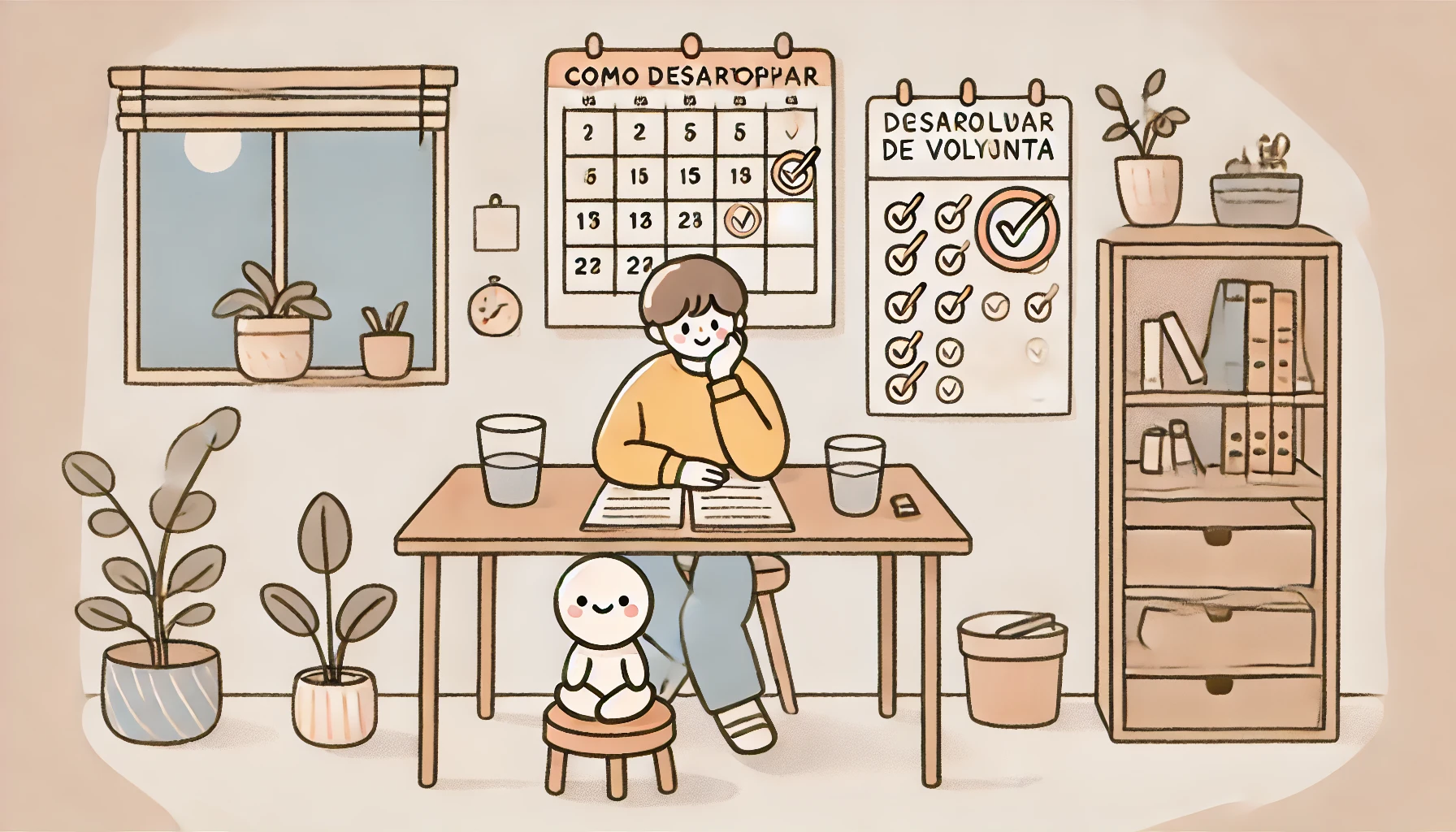
In 2026, distractions are everywhere. Social media, constant notifications, streaming platforms, and instant gratification have made self-discipline more difficult than ever. That is why learning how to develop willpower has become a crucial skill for personal and professional success.
The good news is that willpower is not a fixed personality trait. Research shows it can be strengthened and trained like a muscle. If you want to understand how to develop willpower sustainably, this guide will give you practical, evidence-based strategies you can apply immediately.
Start Training Your Willpower Today
Willpower improves when it is measured and practiced consistently. With Flow by Habittube, you can:
- Track daily habits
- Monitor streaks and progress
- Build structured routines
- Reduce decision fatigue
Start building discipline today:
https://flow.habittube.io
Read more science-backed strategies on our blog:
https://habits.habittube.io
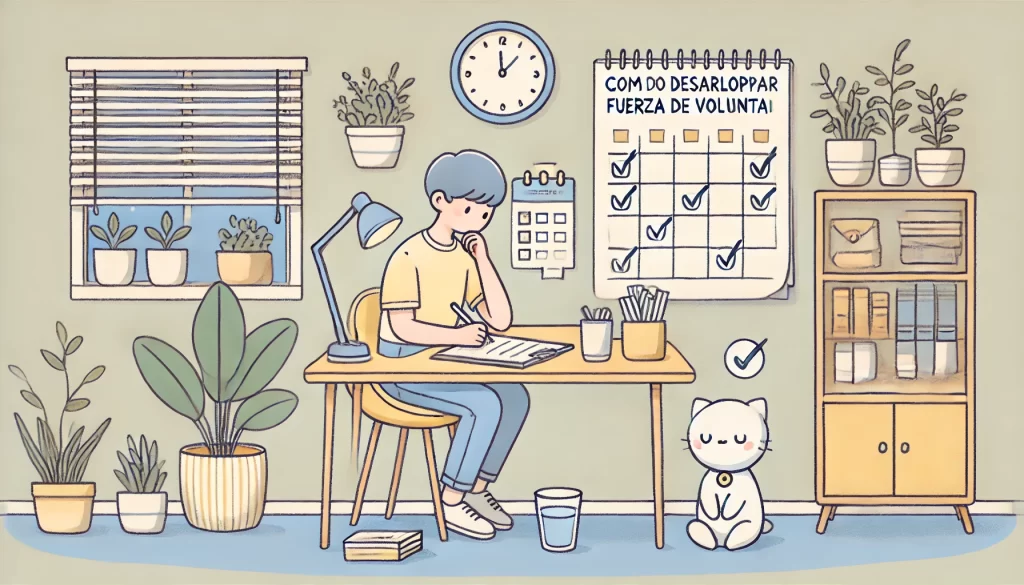
What Science Says About Willpower
According to the American Psychological Association
https://www.apa.org
Willpower is closely linked to self-control and delayed gratification. Classic experiments such as the “marshmallow test” showed that individuals who developed this skill tended to achieve better long-term outcomes.
However, in 2026 we understand that motivation alone is unreliable. If you truly want to master how to develop willpower, you must design systems that support consistent behavior.
1. Set Clear and Measurable Goals
One of the most common mistakes people make when trying to learn how to develop willpower is setting vague goals.
Instead of:
“I want to be more disciplined.”
Define:
“I will exercise 30 minutes, four times per week.”
Clarity reduces cognitive friction and strengthens decision-making.
2. Design Your Environment for Success
Research from Stanford Behavioral Science
https://behavioralpolicy.stanford.edu
Shows that environment often influences behavior more than motivation does.
If you are serious about how to develop willpower, remove unnecessary temptations:
- Block distracting apps
- Prepare your workout clothes in advance
- Keep unhealthy snacks out of sight
- Automate reminders
Willpower becomes easier when your environment works for you instead of against you.
3. Start With Micro-Habits
Studies discussed in Harvard Business Review
https://hbr.org
Highlight the power of incremental progress.
If you want to understand how to develop willpower without burning out, start small. A five-minute habit performed daily is more effective than a one-hour routine you abandon after a week.
Consistency builds confidence, and confidence strengthens willpower.
4. Track Your Behavior Daily
Behavioral psychology consistently shows that measurement increases adherence.
Many people know how to develop willpower in theory but fail because they lack a tracking system. Habit tracking transforms discipline into a visible, measurable process.
When you log your actions daily, you reduce ambiguity and reinforce accountability.
Start tracking your habits here:
https://flow.habittube.io
And explore more strategies at:
https://habits.habittube.io
5. Understand That Willpower Is Limited
Research published in the Journal of Personality and Social Psychology indicates that willpower can temporarily deplete.
That is why mastering how to develop willpower requires energy management:
- Make important decisions early in the day
- Automate repetitive routines
- Reduce unnecessary choices
Decision fatigue weakens self-control. Structure preserves it.
6. Use Commitment and Accountability
Public commitment increases follow-through rates.
If you are working on how to develop willpower, share your goals with someone or document your progress consistently. Social accountability strengthens commitment and reduces the likelihood of quitting.
7. Shift From Outcome to Identity
One of the most powerful frameworks in 2026 is identity-based behavior change.
Instead of saying:
“I’m trying to work out.”
Say:
“I am someone who trains consistently.”
When your identity aligns with your behavior, discipline becomes a natural expression rather than a forced action. This mindset shift is fundamental to understanding how to develop willpower long term.
Common Mistakes When Trying to Develop Willpower
- Relying only on motivation
- Changing too many habits at once
- Ignoring environment design
- Failing to track progress
- Underestimating decision fatigue
If you truly want to master how to develop willpower, focus on systems rather than emotional intensity.
The Practical Formula for 2026
Learning how to develop willpower is not about mental toughness alone. It is about strategic behavior design:
Clear goals
Micro-habits
Optimized environment
Daily tracking
Automated routines
Discipline in 2026 is engineered, not improvised.
Final Thoughts
Understanding how to develop willpower gives you leverage in every area of life: health, productivity, relationships, and business.
Willpower is not a talent reserved for a few people. It is a trainable skill supported by systems and structure.
If you are ready to move from theory to action:
Start tracking your habits today at:
https://flow.habittube.io
Explore deeper behavior design strategies at:
https://habits.habittube.io
Recommended Resources
Science shows willpower strengthens like a muscle through consistent practice, meditation, exercise, and stress reduction techniques targeting the prefrontal cortex.
- Scientifically Proven Willpower Techniques (Actualized.org) – Meditation builds prefrontal cortex; exercise creates discipline; deep breathing calms impulses.
- Science of Willpower – Stanford Medicine – 8 weeks meditation grows gray matter for focus/stress control; exercise boosts resilience.
- Training Willpower – PMC Study – Physical/mindfulness training reduces effort costs; operant conditioning values hard tasks.
- Willpower Workouts – BBC Science Focus – Handgrip exercises (2x daily) improved exam scores via small willpower strains.
- Build Extreme Willpower – Huberman Lab – Anterior midcingulate activates via discomfort; consistent challenges grow it.
No Responses