
Stop being a procrastinator: that goal is common for people who begin the day with good intentions but end it with unfinished tasks, distractions and frustration. The problem is not always a lack of ambition. Often, it is the absence of a simple routine, realistic habits and a way to see whether you are making progress.
To Stop being a procrastinator, you need more than motivation. You need actions that are easy to start, repeat and track. Productivity improves when discipline becomes part of your daily system instead of depending on how motivated you feel.
Ready to Stop being a procrastinator?
HabitTube Flow helps you create habits, schedule actions and monitor progress in one practical app. Build consistency one day at a time with a routine you can actually follow.

7 practical habits to Stop being a procrastinator
1. Make the first step extremely small
Large tasks are easy to avoid because they feel unclear or exhausting. Instead of writing “finish my project,” define the first action: open the document, write three sentences or review one page. Stop being a procrastinator by making it easier to begin than to delay.
2. Choose one daily priority
Long task lists can create overwhelm rather than progress. Each morning, select one task that would make the day successful, plus one or two smaller tasks. This gives your attention a clear direction and prevents minor distractions from taking over your schedule.
3. Use an if-then plan
Connect a habit to a specific moment: “If I finish breakfast, then I will work for 20 minutes,” or “If it is 7:00 p.m., then I will study one lesson.” Research on implementation intentions found support for using specific plans to help bridge the gap between intention and action.
4. Work in short focus blocks
A two-hour session can feel intimidating before it begins. A 20-minute focus block is easier to accept. To Stop being a procrastinator, choose one task, remove interruptions and work until the block ends. Consistency matters more than starting with an unrealistic schedule.
5. Design your environment for discipline
Do not rely only on willpower. Place your phone away from your desk, close unnecessary tabs and prepare what you need before beginning. A productive routine becomes easier when distractions require effort and the desired action is already prepared.
6. Track one habit every day
You may feel busy without knowing whether you are moving forward. Record actions such as reading, exercising, studying or completing a focus block. Stop being a procrastinator with visible evidence of what you completed, not assumptions about how productive the week felt.
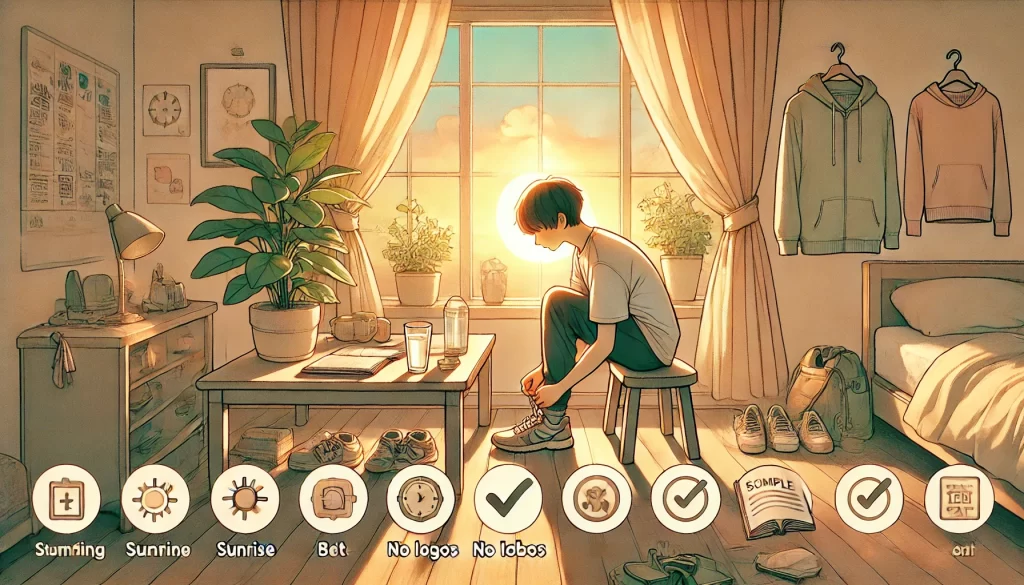
7. Review progress without expecting perfection
Missing one day does not mean the routine failed. Review your week, identify where you stopped and simplify the habit when necessary. The goal is not perfection; it is returning to the process quickly enough that one missed day does not become an abandoned goal.
Why people struggle to Stop being a procrastinator
Many people know what they should do, but their plans depend on memory, sudden motivation or an ideal day with no interruptions. They start too many habits, forget to register progress or quit after falling behind.
The desire to Stop being a procrastinator becomes more achievable when you understand that delaying tasks is not always simple laziness. The American Psychological Association discusses procrastination as closely connected to emotional regulation, while Princeton University recommends manageable goals, breaking down large tasks and using flexible schedules instead of overwhelming plans.
This is why tracking matters. A routine without follow-up is easy to forget. A routine with visible progress shows what is working and what needs adjustment.
How HabitTube Flow helps you Stop being a procrastinator
HabitTube Flow is a practical habit tracking app designed to turn intentions into repeatable actions. You can organize habits, schedule what you want to practice and monitor progress over time. HabitTube describes its product around scheduling, reminders and progress monitoring for consistent habit building.
Use HabitTube Flow to Stop being a procrastinator by creating small actions you can complete daily, rather than vague goals that are easy to postpone. A 10-minute reading habit, one workout session or a daily focus block becomes easier to maintain when it is recorded and visible.
A 2024 systematic review of digital habit-building interventions found that self-monitoring, goal setting, prompts and cues were among the most frequently used behavior-change techniques. Tracking does not complete the work for you, but it can make consistency easier to maintain.
Practical examples for building a productive routine
A student who wants to Stop being a procrastinator can create a habit called “Study for 20 minutes after dinner,” mark each completed day and review the streak at the end of the week.
A professional can track “Complete one focus block before checking social media.” A person building healthier habits can record walking, stretching or preparing tomorrow’s priorities before bed.
In each case, the principle is the same: define the routine, follow it daily and use visible progress to stay accountable.

Start today: Stop being a procrastinator with a simple system
You do not need a perfect schedule to make progress. You need a small habit, a clear trigger and a way to track whether you completed it.
Use HabitTube Flow to Stop being a procrastinator, measure your progress and build a routine that becomes easier to repeat over time.
External Links:
- HabitTube: Habits to Organize Your Day and Improve Daily Productivity — A practical guide to building daily routines, breaking large tasks into smaller actions, reducing procrastination, and staying consistent through habit tracking.
- Verywell Mind: The 5-Second Rule to Beat Procrastination — A simple technique for interrupting hesitation, taking immediate action, and overcoming the cycle of putting tasks off.
- Greater Good Science Center: Two Counterintuitive Ways to Stop Procrastinating — A research-informed resource on addressing procrastination through self-compassion and mindful management of difficult emotions.
- James Clear: How to Stop Procrastinating by Using the Two-Minute Rule — A practical approach to starting difficult tasks by reducing them to small actions that are easy to begin.
- Princeton University: Understanding and Overcoming Procrastination — An educational resource for identifying the causes of procrastination and developing effective strategies to take action.
 You can Talk with Tubby, your AI assistant to improve your habits
No Responses