
Building habits is easy. Keeping them is not.
Most people start strong—with motivation, excitement, and clear goals—but quickly fall off track. The problem is not lack of discipline; it’s lack of structure, systems, and consistency.
Understanding how to create lasting habits requires more than willpower. In 2026, successful habit-building combines behavioral science, technology, and smart tracking systems that make consistency easier.
If you want real, sustainable change, you need a system—not just motivation.
Start building better habits with HabitTube
If you’re serious about learning how to create lasting habits, you need a tool that keeps you consistent.
Get started here: https://flow.habittube.io
HabitTube helps you:
- Track habits daily with clarity
- Stay consistent through visual progress
- Build routines that stick
- Automate reminders and accountability
Explore more insights on the blog: https://habits.habittube.io
With the right system in place, building habits becomes predictable and sustainable.
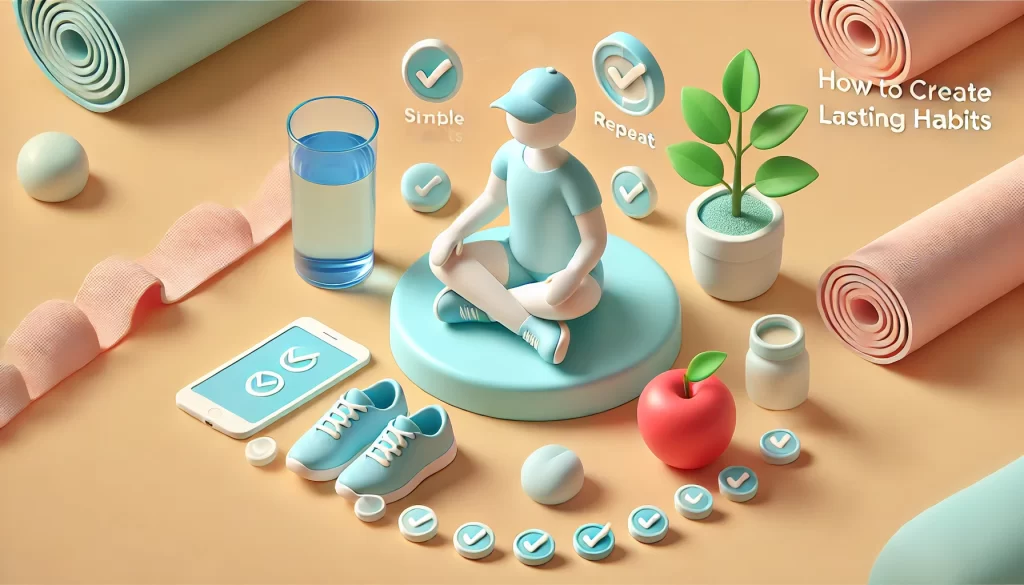
Why most habits fail
A key part of understanding how to create lasting habits is recognizing why most attempts fail.
Common reasons include:
- Relying only on motivation
- Setting unrealistic goals
- Lack of tracking or accountability
- No clear system
According to research highlighted in Atomic Habits, small improvements repeated consistently lead to remarkable results over time.
This reinforces a critical idea: success is not about intensity—it’s about consistency.
The science behind lasting habits
To truly understand how to create lasting habits, you need to understand how habits work.
Every habit follows a loop:
Cue
A trigger that starts the behavior.
Routine
The action itself.
Reward
The benefit that reinforces the behavior.
This concept is supported by behavioral science research and institutions like the American Psychological Association, which emphasize that habits are formed through repeated patterns, not isolated actions.
Proven strategies to create lasting habits
Start small and specific
One of the most effective ways to master how to create lasting habits is to begin with small, manageable actions.
Examples:
- Read for 5 minutes a day
- Walk for 10 minutes
- Write one idea daily
Small habits reduce resistance and increase consistency.
Focus on consistency, not perfection
Missing one day is not failure. Quitting is.
Consistency builds identity. And identity sustains habits.
When learning how to create lasting habits, your goal is not perfection—it’s repetition.
Track your progress daily
Tracking is one of the most powerful tools available.
Apps like HabitTube allow you to:
- See streaks
- Measure consistency
- Stay accountable
Tracking transforms vague intentions into measurable progress.
Design your environment
Your environment should support your habits, not fight them.
If you want to understand how to create lasting habits, you must:
- Remove distractions
- Make good habits visible
- Make bad habits harder to access
Environment design reduces reliance on willpower.
Use technology to your advantage
In 2026, technology plays a critical role in habit formation.
Digital tools can:
- Send reminders
- Track behavior automatically
- Provide insights and analytics
This makes the process of how to create lasting habits more efficient and scalable.
Common mistakes to avoid
Many people struggle with how to create lasting habits because they:
- Try to change too much at once
- Don’t track their progress
- Expect instant results
- Lack a system
Avoiding these mistakes dramatically increases your chances of success.
The role of identity in habit formation
One of the most overlooked aspects of how to create lasting habits is identity.
Instead of focusing on outcomes, focus on who you want to become.
For example:
- Not “I want to exercise,” but “I am an active person”
- Not “I want to write,” but “I am a writer”
This shift creates internal alignment, making habits easier to maintain.
Why habit tracking changes everything
Habit tracking is not just about monitoring—it’s about reinforcing behavior.
Platforms like HabitTube help you:
- Build awareness
- Maintain consistency
- Stay motivated through progress
When you can see your habits, you are more likely to sustain them.
This is why tracking is essential when learning how to create lasting habits.
Applying this in real life
If you want to implement how to create lasting habits, follow this simple framework:
- Choose one habit
- Make it small and achievable
- Track it daily
- Stay consistent
- Adjust as needed
Success comes from repetition, not intensity.
Conclusion
Learning how to create lasting habits is one of the most valuable skills you can develop in 2026.
It’s not about motivation—it’s about systems, consistency, and smart tools.
With HabitTube, you can turn your goals into daily actions and build habits that actually last.
Start now: https://flow.habittube.io
Read more: https://habits.habittube.io
The difference between temporary change and lasting transformation is simple: consistency backed by the right system.
Recommended Resources: Lasting Habits Strategies
- Psychology Today Habit Stacking anchors new habits to existing routines like post-coffee gratitude for effortless consistency.
- Psych.on.ca 8 Steps Habits starts tiny (5min exercise) then scales gradually to build daily routines without overwhelm.
- Insights Psychology 5 Ways rewards small wins with positivity and clear actionable steps for long-term adherence.
- Stanford Tiny Habits sets bar low (floss 1 tooth) so habits stick even on low-motivation days.
- James Clear Habit Guide scales micro-habits (2min start) using environment design and identity shifts.
 You can Talk with Tubby, your AI assistant to improve your habits
No Responses